
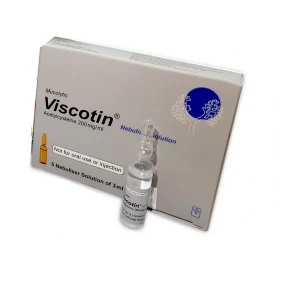
Viscotin 600 mg/3 ml
৳ 30
Side Effects
Like all medicines, Viscotin can cause side effects, although not everybody gets them. In very rare cases, severe immune reactions may occur such as anaphylactic shock and severe skin reaction. In rare cases the oral administration can be followed by shortness of breath, upset stomach and bronchospasm. The most frequent side effects are headache, increased heart rate, stomatitis, pruritus, urticaria, nausea, vomiting, abdominal pain, fever, decrease in the blood pressure, diarrhoea and noises in the ears.
Buy 15 products and get ৳ 20 discount
0 people are viewing this right now
Estimated Delivery : Up to 4 business days
Description
Indications
Viscotin is indicated as an adjuvant treatment in certain clinical condition characterized by the presence of thick and viscous mucoid or mucopurulent secretions such as: Chronic bronchopulmonary diseases (chronic obstructive pulmonary disease, emphysema with bronchitis, chronic asthmatic bronchitis, bronchiectasis); Acute bronchopulmonary diseases (asthma with bronchial mucus plugging, bronchitis, bronchopneumonia, tracheobronchitis, bronchiolitis, pulmonary complications of cystic fibrosis, pulmonary complications associated with surgery).
Pharmacology
Acetylcysteine is a mucolytic agent that reduces the viscosity of secretions probably by the splitting of disulphide bonds in mucoproteins. Moreover it gives antisecretory effect. These results in clearing of respiratory ducts and facilitate breathing. Acetylcysteine also has anti-oxidant properties by reacting with free radicals and also by serving as a precursor to glutathione, which is an important intra and extra-cellular antioxidant. By providing anti-oxidant action, it neutralizes exogenous and endogenous oxidants, which in fact act as pathogens in respiratory inflammations.
Interaction
The thiol group of Viscotin can reduce the efficacy of certain antibiotics such as ampicillin, tetracycline, macrolides, cephalosporins, aminoglycosides and amphotericin. Concomitant use of Viscotin and amoxicillin will increase the level of the antibiotic in tissues. It is, therefore, advisable to use the two medicines 2 hours apart from each other. Viscotin can increase the inhibitory effect of thrombocyte aggregation and vasodialation by nitroglycerine.
Contraindications
Known hypersensitivity to Acetylcysteine. Acetylcysteine contains aspartame, thus it is contraindicated in patients suffering from phenylketonuria.


Reviews
There are no reviews yet.